
For many active Singaporeans, maintaining a robust lifestyle is paramount. From competitive futsal matches at the community sports hub to weekend runs along the East Coast Park, staying physically engaged is a way of life. However, this dedication to physical activity can sometimes lead to chronic, debilitating conditions, one of which is often referred to as a “sports hernia.” More accurately termed Athletic Pubalgia, this condition can be a source of persistent groin pain, sidelining individuals and impacting their quality of life. Understanding Athletic Pubalgia is crucial for active Singaporeans, not just for effective management, but also for prevention, ensuring a sustained and healthy engagement in their chosen sports and activities.
Understanding the “Sports Hernia” (Athletic Pubalgia)
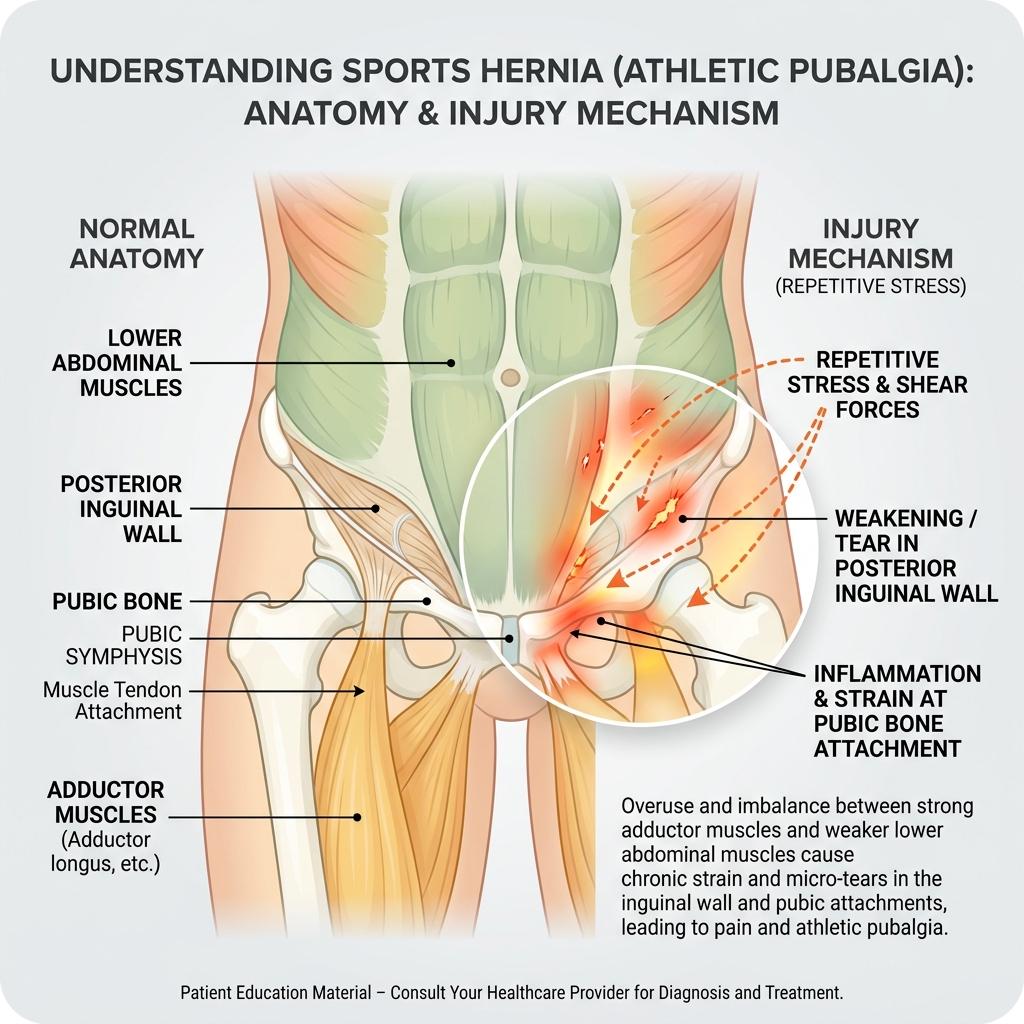
The term “sports hernia” can be misleading, as it is not a true hernia in the traditional sense, where an organ protrudes through a weak spot in the abdominal wall. Instead, Athletic Pubalgia involves a complex injury to the soft tissues of the groin, specifically at the posterior inguinal wall. It is characterised by chronic pain in the groin and lower abdominal region, often exacerbated by physical activity. This condition frequently affects athletes involved in sports that require sudden, forceful twisting movements, rapid acceleration, deceleration, and quick changes in direction, such as football, rugby, ice hockey, and even sports popular in Singapore like badminton and tennis.
What Exactly is a Sports Hernia?
Athletic Pubalgia is primarily an injury to the muscles, tendons, and ligaments that attach to the pubic bone. The common culprits often include the rectus abdominis muscle (one of the primary abdominal muscles), the adductor muscles of the inner thigh, and the oblique muscles. The injury usually involves a tear or strain in these soft tissues, or a weakening of the posterior wall of the inguinal canal, which is a passage in the lower abdominal wall. Unlike a traditional inguinal hernia, there is typically no palpable bulge in the groin area with Athletic Pubalgia. The pain arises from the strain and inflammation of these tissues, which can also irritate nerves in the region, leading to persistent discomfort.
Why Active Singaporeans are Prone: Causes and Risk Factors
The highly active nature of many Singaporeans, coupled with specific athletic demands, contributes to the prevalence of Athletic Pubalgia. Repetitive microtrauma and macrotrauma to the groin area are the primary causes. Consider a football player in a local Singaporean league; repeated actions like kicking, sprinting, and sudden directional changes place immense, asymmetrical stress on the pelvis and groin. Similarly, badminton players execute explosive lunges and swift rotations, which can strain the delicate balance between the strong abdominal muscles and the powerful hip adductors. An imbalance in strength between the abdominal and adductor muscles is a significant risk factor, as is inadequate core stability, poor flexibility, and insufficient warm-up routines. Overuse without proper rest and recovery can also predispose individuals to this chronic condition.
Recognizing the Symptoms: When Groin Pain Isn’t Just Muscle Soreness
Distinguishing Athletic Pubalgia from other causes of groin pain can be challenging, given the numerous structures in the region. However, understanding its characteristic symptoms is the first step towards accurate diagnosis and effective management. Many individuals initially dismiss the pain as simple muscle soreness or a minor strain, delaying appropriate medical attention.
Common Signs and How They Manifest
The hallmark symptom of Athletic Pubalgia is chronic groin pain. This pain is typically located deep in the groin or lower abdomen, often on one side, but can sometimes be bilateral. It is usually insidious in onset, meaning it develops gradually rather than suddenly. The pain is almost always aggravated by activities that involve twisting, sprinting, cutting, kicking, or sit-ups. Athletes often report pain that starts during a training session or game, lessens with rest, but returns upon resuming activity. Coughing, sneezing, or straining can also intensify the discomfort due to increased intra-abdominal pressure. Unlike a true hernia, there is usually no visible bulge, although some individuals might feel a general tenderness or tightness in the affected area. The pain can sometimes radiate to the inner thigh, perineum, or even the testicles, further complicating self-diagnosis.
The Diagnostic Journey in Singapore
Diagnosing Athletic Pubalgia requires a thorough clinical evaluation by a healthcare professional experienced in sports injuries, such as an orthopaedic surgeon, sports physician, or physiotherapist. The process typically begins with a detailed medical history, focusing on the onset, nature, and aggravating factors of the pain. A comprehensive physical examination is crucial. The doctor will assess for tenderness in the lower abdomen and pubic bone, evaluate hip range of motion, and perform specific tests that reproduce the pain, such as resisted sit-ups or resisted hip adduction. Imaging studies are often used to rule out other conditions and to support the diagnosis. While X-rays can rule out bony pathologies, Magnetic Resonance Imaging (MRI) is often the preferred imaging modality as it can visualise soft tissue injuries, including tears in muscles or tendons. However, it is important to note that MRI findings do not always perfectly correlate with symptoms, and the diagnosis ultimately relies heavily on the clinical picture. In Singapore, access to such specialists and advanced imaging facilities is readily available, allowing for precise and timely diagnosis.
Navigating Treatment Options for Lasting Relief
Once diagnosed, the management of Athletic Pubalgia typically follows a phased approach, starting with conservative measures. The goal is to alleviate pain, restore function, and enable a safe return to activity.
Conservative Management: The First Line of Defense
For many individuals, particularly in the early stages of Athletic Pubalgia, conservative treatment can be highly effective. This approach focuses on reducing inflammation, strengthening core muscles, and improving flexibility. Key components include:
- Rest and Activity Modification: Initially, reducing or completely stopping activities that aggravate the pain is essential. This allows the injured tissues to begin healing.
- Physiotherapy: This is a cornerstone of conservative management. A structured physiotherapy program, often guided by experienced professionals in Singapore, will focus on:
- Pain Management: Techniques such as ice application, heat therapy, and manual therapy to reduce discomfort.
- Core Strengthening: Exercises targeting the deep abdominal muscles and pelvic floor to improve stability.
- Adductor Strengthening and Flexibility: Addressing any strength imbalances between the adductors and abdominals, and improving hip range of motion.
- Sport-Specific Rehabilitation: Gradually introducing movements relevant to the individual’s sport to prepare for a safe return to activity.
- Medication: Non-steroidal anti-inflammatory drugs (NSAIDs) can help manage pain and inflammation. In some cases, corticosteroid injections may be considered, though these are typically used sparingly due to potential side effects.
- Patient Education: Understanding the condition and adhering to the rehabilitation program is critical for success.
Surgical Intervention: When is it Necessary?
When conservative treatments fail to provide significant relief after an adequate trial period (typically 6 to 12 weeks), surgical intervention may be considered. The primary goal of surgery is to repair the weakened posterior inguinal wall or address specific muscle or tendon tears. Various surgical techniques exist, often performed by general surgeons or orthopaedic surgeons specializing in sports medicine in Singapore. Common procedures include:
- Open Repair: Involves a small incision to directly repair the damaged tissues, often reinforcing the posterior inguinal wall and potentially releasing tight adductor tendons.
- Laparoscopic Repair: A minimally invasive approach using a camera and small instruments through tiny incisions. This method offers potentially faster recovery times and less post-operative pain for some individuals.
- Adductor Tenotomy: In cases where adductor muscle tightness is a significant contributing factor, a surgical release of the adductor tendon may be performed, sometimes in conjunction with an abdominal wall repair.
The choice of surgical technique depends on the specific nature of the injury and the surgeon’s expertise. Recovery from surgery typically involves a structured rehabilitation program, similar to conservative management but with a different timeline and progression, to ensure a full return to function and sport.
Rehabilitation and Prevention: Staying Active Safely
Whether treated conservatively or surgically, a structured rehabilitation program is essential for long-term success and for preventing recurrence of Athletic Pubalgia. Active Singaporeans are keen to return to their sports, and a carefully phased approach is key to achieving this safely.
Post-Treatment Rehabilitation: A Structured Approach
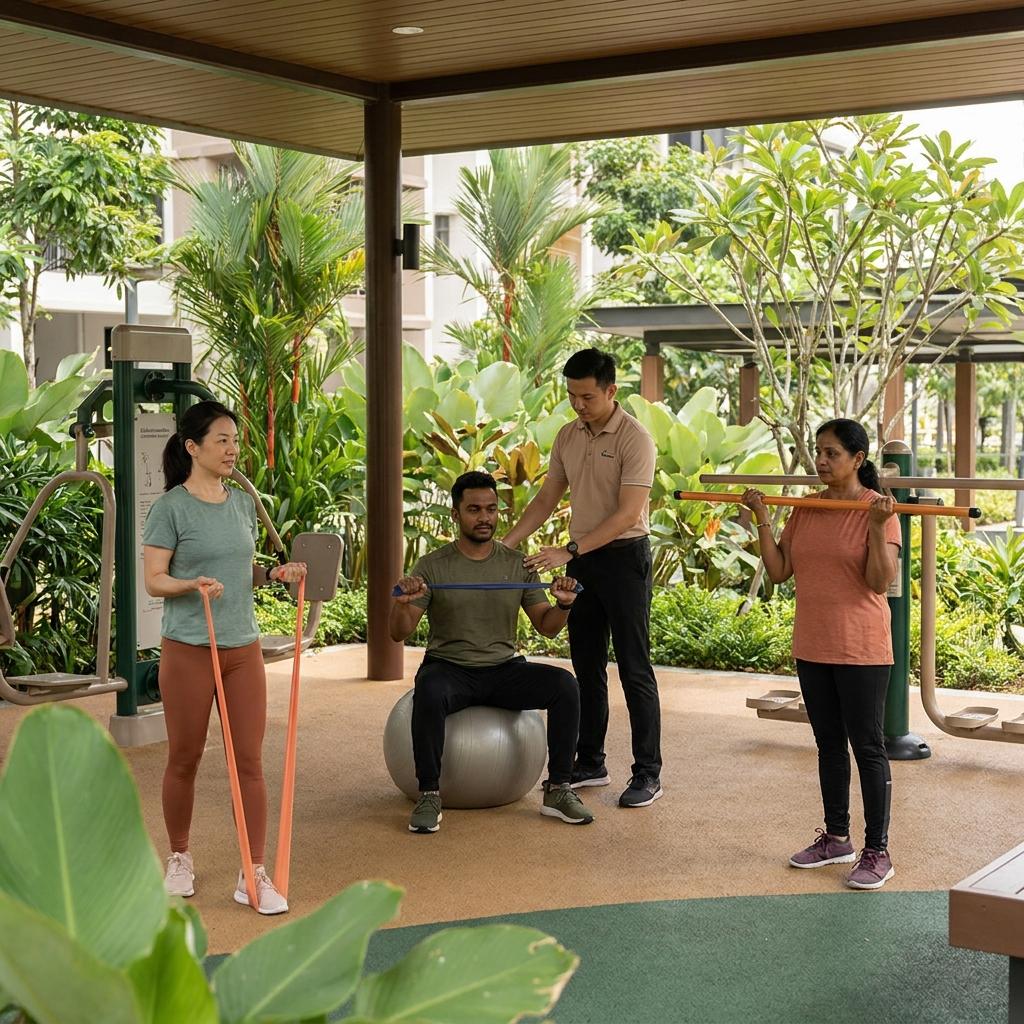
Rehabilitation after either conservative or surgical treatment follows a progressive pathway. It typically begins with pain and inflammation management, followed by restoring range of motion and initiating gentle core and hip strengthening exercises. As healing progresses, the program advances to more dynamic exercises, incorporating proprioception (body awareness) and balance training. Eventually, sport-specific drills are introduced, gradually increasing in intensity and complexity. For example, a runner might start with light jogging, progress to interval training, and finally incorporate sprinting and cutting movements. Throughout this process, close communication with a physiotherapist is vital to ensure proper progression and to identify any signs of overexertion or recurrence. Consistency and adherence to the prescribed exercises are paramount for a successful outcome.
Strategies for Prevention: Building Resilience
Prevention is always better than cure, especially for active individuals. Implementing a comprehensive prevention strategy can significantly reduce the risk of developing Athletic Pubalgia. Key strategies include:
- Balanced Strength Training: Focus on strengthening both the abdominal muscles and the hip adductors and abductors to maintain muscular balance around the pelvis. Incorporate exercises like planks, side planks, hip bridges, and specific adductor/abductor machine work.
- Core Stability Training: Emphasise exercises that engage the deep core muscles, crucial for pelvic stability during dynamic movements. Pilates and specific functional training can be highly beneficial.
- Flexibility and Mobility: Regular stretching of the hip flexors, hamstrings, and groin muscles can improve range of motion and reduce muscle tightness that contributes to strain. Yoga or dedicated stretching routines are excellent additions.
- Proper Warm-up and Cool-down: Always begin any physical activity with a dynamic warm-up that prepares the muscles and joints for exertion, and conclude with a cool-down and static stretches.
- Gradual Progression: Avoid sudden increases in training intensity or volume. Allow the body adequate time to adapt to new demands.
- Appropriate Footwear: Wearing proper footwear suitable for the sport and playing surface can provide better support and reduce undue stress on the lower limbs and groin.
Practical Tips for Active Singaporeans
Integrating these preventive measures into a busy Singaporean lifestyle is achievable. For instance, incorporating a 10-minute core stability routine before or after work, or dedicating specific sessions to flexibility. Many community gyms and fitness centers in Singapore offer classes focused on core strength and flexibility, such as Pilates or yoga, which can be excellent resources. Pay attention to your body’s signals; persistent or worsening groin pain should never be ignored. Early intervention often leads to better outcomes and shorter recovery periods. Consulting a sports physiotherapist for a pre-habilitation assessment can also identify potential weaknesses or imbalances before they lead to injury.
Conclusion
Athletic Pubalgia, or “sports hernia,” represents a significant challenge for active Singaporeans experiencing chronic groin pain. While it can be a frustrating and debilitating condition, it is important to remember that it is treatable. Understanding the nature of this injury, recognising its symptoms, and seeking timely, accurate diagnosis are crucial first steps. With a comprehensive approach that typically begins with structured conservative management, including targeted physiotherapy, and potentially progressing to surgical intervention when necessary, individuals can achieve lasting relief and safely return to their active lifestyles. The emphasis on robust rehabilitation and proactive prevention strategies, focusing on balanced strength, core stability, and flexibility, empowers active Singaporeans to not only overcome this condition but also to build greater resilience against future injuries. Always remember to consult with a qualified healthcare professional in Singapore for personalised diagnosis and treatment plans. Your journey back to pain-free activity begins with informed decisions and dedicated care.
Jeremy Lee is a seasoned digital marketing director and strategist with over two decades of experience in the industry. As the founder of Sotavento Medios, I manage a diverse portfolio of over 50 businesses, helping brands grow through advanced search strategies and digital innovation. My work focuses on bridging the gap between traditional search engine optimisation and the evolving world of AI-driven answer engines.