
For many Singaporeans, leading an active and fulfilling life is a priority, whether it involves navigating the bustling city, enjoying local cuisine, or spending quality time with family. However, conditions like a hernia can disrupt this routine, causing discomfort and concern. A hernia occurs when an organ or fatty tissue squeezes through a weak spot in a surrounding muscle or connective tissue, often manifesting as a noticeable bulge. While not always immediately life-threatening, hernias typically do not resolve on their own and can worsen over time, leading to pain, incarceration (when tissue becomes trapped), or even strangulation (when blood supply is cut off), which is a medical emergency.
Historically, hernia repair involved open surgery with a larger incision, often entailing a longer recovery period. Today, advancements in medical technology have made minimally invasive techniques, particularly laparoscopic surgery, the preferred approach for many types of hernias. This method offers numerous benefits, including smaller incisions, reduced pain, faster recovery, and a quicker return to normal activities, which is particularly appealing for active individuals and those with professional commitments in Singapore. This comprehensive guide will demystify laparoscopic hernia repair, providing Singaporean readers with a clear understanding of what to expect from this modern surgical procedure, from preparation to long-term recovery, ensuring you are well-informed to make healthcare decisions.
Understanding Hernias and the Shift to Minimally Invasive Approaches
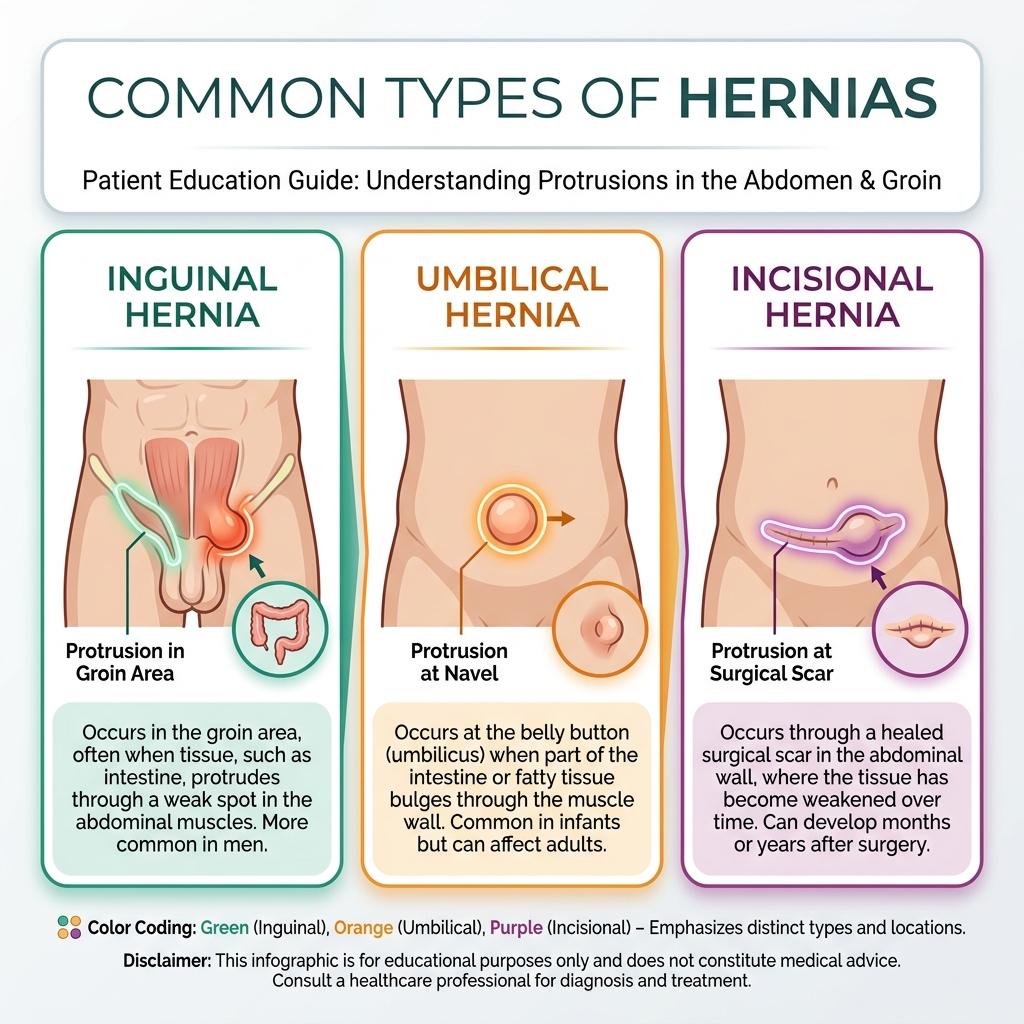
Before delving into the specifics of laparoscopic repair, it is crucial to understand what a hernia is and why surgical intervention is often necessary. The most common types of hernias include:
- Inguinal Hernia: This is the most prevalent type, occurring when part of the intestine or fatty tissue protrudes through a weak spot in the abdominal wall, often in the groin area. It is significantly more common in men than women.
- Umbilical Hernia: These occur around the belly button (navel) when a portion of the intestine pushes through the abdominal wall at the umbilical ring. While common in infants, they can also affect adults due to factors like obesity, multiple pregnancies, or fluid in the abdomen.
- Incisional Hernia: These develop at the site of a previous surgical incision, where the abdominal wall has been weakened. This can occur months or even years after initial surgery.
- Femoral Hernia: Less common, these occur when tissue pushes through a weak spot in the lower abdomen near the thigh and groin. They are more frequent in women.
While some small hernias might be asymptomatic, many cause a noticeable bulge, pain, discomfort, or a dragging sensation, especially during activities that increase abdominal pressure like lifting, coughing, or straining during bowel movements. Given that hernias typically do not heal naturally and carry risks of complications, surgical repair is generally recommended to prevent further complications and improve quality of life. The decision to opt for surgery is usually made in consultation with a general surgeon in Singapore, considering the hernia’s type, size, symptoms, and the patient’s overall health.
The evolution of hernia repair has seen a significant shift from traditional open surgery to minimally invasive techniques. Open hernia repair involves a single, larger incision directly over the hernia site, allowing the surgeon to push the protruding tissue back into place and reinforce the weakened abdominal wall, often with a synthetic mesh. While effective, this approach can lead to more post-operative pain, a longer hospital stay, and a more extended recovery period. Laparoscopic surgery, by contrast, involves several small incisions, typically less than a centimetre each, through which a tiny camera (laparoscope) and specialized surgical instruments are inserted. This allows the surgeon to view the internal organs on a monitor and perform the repair with precision. This paradigm shift in surgical technique has been embraced in Singapore for its patient-centric benefits.
The Laparoscopic Hernia Repair Procedure Explained
Understanding the surgical process can help alleviate anxieties. Laparoscopic hernia repair is performed under general anesthesia, meaning you will be completely asleep during the procedure. The preparation begins well before surgery day.
Pre-operative Preparation: Setting the Stage for Success
Your journey begins with a thorough consultation with your surgeon in Singapore. This involves a detailed medical history review, a physical examination, and discussion of your symptoms and lifestyle. You may undergo several diagnostic tests, such as blood tests or imaging studies, to confirm the hernia diagnosis and assess your overall health. It is crucial to inform your surgeon about all medications, supplements, and herbal remedies you are taking, as some may need to be stopped a week or two before surgery to minimise bleeding risks. For smokers, quitting or reducing smoking significantly before surgery is highly recommended, as smoking can impair healing and increase complication risks. Similarly, maintaining a healthy diet and engaging in light physical activity can optimize your body for recovery.
The Surgical Process: A Glimpse Inside
On the day of surgery, after admission to the hospital, you will meet the surgical team, including the anaesthetist. Once general anesthesia has been administered, the procedure typically unfolds as follows:
- Incisions: The surgeon will make three small incisions, usually less than 1cm each, in the abdominal wall. One incision is typically near the navel, and the others are in the lower abdomen.
- Insufflation: Carbon dioxide gas is gently introduced into the abdomen through one of the incisions. This process, called insufflation, inflates the abdominal cavity, creating space for the surgeon to clearly view the organs and work with the instruments without damaging surrounding tissues.
- Laparoscope Insertion: A laparoscope, which is a thin, lighted tube with a camera at its tip, is inserted through one of the incisions. This camera transmits real-time images of the internal organs to a high-definition monitor in the operating room, guiding the surgeon.
- Instrument Insertion: Specialized surgical instruments are then inserted through the other small incisions. These instruments allow the surgeon to gently manipulate tissues, dissect adhesions, and perform the repair.
- Hernia Repair and Mesh Placement: The protruding organ or tissue is carefully pushed back into the abdominal cavity. A synthetic mesh, made of biocompatible material, is then typically placed over the weakened area of the abdominal wall to reinforce it and prevent recurrence. This mesh is often secured with surgical tacks, sutures, or fibrin glue.
- Closure: Once the repair is complete, the carbon dioxide gas is released from the abdomen. The small incisions are then closed with sutures or surgical tape, often leaving minimal scarring.
There are two primary techniques for laparoscopic hernia repair:
- Transabdominal Preperitoneal (TAPP) Repair: In this method, the surgeon enters the abdominal cavity, incises the peritoneum (the lining of the abdominal cavity), and places the mesh in the preperitoneal space (the space in front of the peritoneum). The peritoneum is then closed over the mesh. This approach provides a good view of the anatomy and is versatile for various hernia types.
- Totally Extraperitoneal (TEP) Repair: This technique avoids entering the abdominal cavity altogether. The surgeon creates a working space between the abdominal muscles and the peritoneum, placing the mesh entirely outside the abdominal cavity. TEP is often associated with potentially less post-operative pain and faster recovery, as it does not disturb the intra-abdominal organs.
Your surgeon will choose the most appropriate technique based on your specific hernia and anatomical considerations. The entire procedure typically takes 60 to 90 minutes, though this can vary.

What to Expect During Recovery and Beyond
One of the most significant advantages of laparoscopic hernia repair is the typically quicker and less painful recovery compared to open surgery. However, understanding and adhering to post-operative guidelines are crucial for optimal healing.
Immediate Post-Operative Care: The First Few Hours
Immediately after surgery, you will be moved to a recovery room where medical staff will monitor your vital signs as you wake up from anesthesia. You may experience some grogginess, mild discomfort, or nausea, which are common and usually managed with medication. Most patients undergoing laparoscopic hernia repair in Singapore are discharged on the same day or after a short overnight stay, depending on the complexity of the surgery, your overall health, and the surgeon’s discretion. Before discharge, you will receive detailed instructions on wound care, pain management, and activity restrictions.
At-Home Recovery: Getting Back on Your Feet
Upon returning home, rest is paramount. You will likely experience some mild to moderate pain or discomfort at the incision sites and potentially in your shoulders (due to the residual carbon dioxide gas irritating the diaphragm). This can usually be managed effectively with prescribed pain medication. It is essential to take these medications as directed to keep discomfort at bay and facilitate movement.
- Wound Care: Keep the incision sites clean and dry. You may have small sterile dressings that need to be changed. Your surgeon will advise when you can shower or bathe. Watch for signs of infection, such as increased redness, swelling, warmth, pus, or fever, and report them immediately to your medical team.
- Activity Restrictions: While light activity is encouraged to prevent blood clots and promote circulation, strenuous activities must be avoided. This typically includes heavy lifting (anything over 5-7 kg), vigorous exercise, and activities that put strain on the abdominal muscles for several weeks. Walking is generally encouraged from day one. For Singaporeans, this might mean taking it easy on daily commutes, avoiding carrying heavy groceries, and opting for leisurely strolls rather than strenuous hikes at places like MacRitchie Reservoir.
- Diet: You can usually resume your normal diet gradually after surgery, starting with light, easily digestible foods. Staying hydrated is important.
- Driving: You should avoid driving for at least a few days, or as long as you are taking pain medication that impairs your judgment or reaction time.
Return to Daily Activities and Work
Most patients can return to light work or desk-bound jobs within a week to ten days. For those with physically demanding jobs, a longer recovery period of three to four weeks or more may be necessary. Your surgeon will provide specific guidance based on your recovery progress and the nature of your work. It is important not to rush back into strenuous activities, even if you feel well, to allow the mesh to integrate properly and prevent recurrence. Following these guidelines is particularly important in Singapore, where many individuals lead busy lives and might be tempted to return to their routines too quickly.
Long-Term Outlook and Recurrence Rates
Laparoscopic hernia repair has a high success rate, and most patients experience a significant improvement in their quality of life. Recurrence rates are generally low, especially with proper mesh placement and adherence to post-operative instructions. Regular follow-up appointments with your surgeon will ensure your recovery is progressing as expected and address any concerns you might have.
Benefits and Potential Risks of Laparoscopic Repair
Choosing laparoscopic hernia repair offers several distinct advantages, but like any surgical procedure, it also carries potential risks that patients should be aware of.
Advantages of Minimally Invasive Surgery
The benefits of laparoscopic hernia repair have made it a cornerstone in modern surgical practice:
- Smaller Incisions: Instead of a single large cut, only a few small incisions are made, leading to minimal scarring and a more aesthetically pleasing outcome.
- Reduced Post-operative Pain: Less tissue dissection and muscle trauma translate to significantly less pain after surgery, reducing the reliance on strong pain medications.
- Faster Recovery Time: Patients typically experience a quicker return to normal activities, often resuming light work within a week and more strenuous activities within a few weeks, which is beneficial for maintaining professional and personal commitments in a fast-paced environment like Singapore.
- Shorter Hospital Stay: Many laparoscopic hernia repairs are performed as day surgery or require only an overnight stay, reducing hospital costs and inconvenience.
- Lower Risk of Infection: With smaller wounds and less exposure of internal tissues, the risk of wound infection is generally lower compared to open surgery.
- Reduced Blood Loss: The precise nature of laparoscopic tools and clear visualisation minimise blood loss during the procedure.
- Ability to Repair Bilateral Hernias Simultaneously: In cases where hernias are present on both sides, laparoscopic surgery allows for repair of both through the same small incisions, avoiding the need for separate large incisions.
Potential Risks and Complications
While generally safe, laparoscopic hernia repair is not without potential complications. These are typically rare but it is important to be informed:
- General Anesthesia Risks: As with any surgery requiring general anesthesia, there are risks such as adverse reactions to medication, breathing problems, or heart issues. These are carefully managed by the anaesthetist.
- Bleeding or Haematoma: Though rare due to precise techniques, there is a small risk of bleeding at the surgical site or formation of a haematoma (a collection of blood).
- Infection: Infection at the incision sites or of the mesh is a rare but serious complication, which may require antibiotics or, in severe cases, removal of the mesh.
- Seroma Formation: A seroma is a collection of fluid that can accumulate under the skin at the surgical site. This usually resolves on its own but may occasionally require drainage.
- Nerve Injury: Damage to nerves near the hernia site can occur, leading to persistent pain, numbness, or tingling in the groin or thigh area.
- Recurrence: While mesh significantly reduces recurrence rates, there is still a small chance of the hernia returning, particularly if post-operative instructions are not followed or if there are factors like chronic cough or constipation that put repeated strain on the repair.
- Injury to Surrounding Organs: In very rare cases, surrounding organs such as the bladder or intestines can be inadvertently injured during the procedure.
- Chronic Pain: A small percentage of patients may experience chronic pain after hernia repair, which can sometimes be challenging to manage.
It is vital to have an open discussion with your surgeon about these risks and how they apply to your specific situation. Your medical team in Singapore will take all necessary precautions to minimize these potential complications.
When to Seek Medical Attention
While recovery is generally smooth, it is crucial to know when to seek medical attention. Contact your surgeon or go to the nearest Accident & Emergency department in Singapore if you experience any of the following:
- Severe or worsening pain that is not relieved by prescribed medication.
- Fever (oral temperature above 38°C or 100.4°F).
- Signs of infection at the incision sites: increased redness, swelling, warmth, tenderness, or pus-like discharge.
- Persistent nausea or vomiting.
- Difficulty urinating or having bowel movements.
- Swelling, pain, or redness in your leg (which could indicate a deep vein thrombosis).
- Any new or increasing bulge at the surgical site, which could indicate a recurrence.
Conclusion: Empowering Your Recovery Journey
Minimally invasive laparoscopic hernia repair represents a significant advancement in surgical care, offering a pathway to faster recovery and reduced discomfort for patients in Singapore. By understanding what to expect before, during, and after the procedure, you can approach your surgery with confidence and play an active role in your own healing journey. The benefits of smaller incisions, less pain, and a quicker return to daily life make it an attractive option for many seeking relief from hernia symptoms.
Remember, this article provides general information and should not replace personalized medical advice. Every patient’s situation is unique, and the best course of action should always be determined in consultation with a qualified general surgeon. If you suspect you have a hernia or are experiencing related symptoms, do not hesitate to seek professional medical advice. Early diagnosis and timely intervention are key to achieving the best possible outcomes and helping you return to the vibrant, active lifestyle you deserve here in Singapore.

Jeremy Lee is a seasoned digital marketing director and strategist with over two decades of experience in the industry. As the founder of Sotavento Medios, I manage a diverse portfolio of over 50 businesses, helping brands grow through advanced search strategies and digital innovation. My work focuses on bridging the gap between traditional search engine optimisation and the evolving world of AI-driven answer engines.