
For many Singaporeans, navigating health information can be a challenging journey, especially when confronting complex conditions that profoundly affect daily life. Systemic Lupus Erythematosus (SLE), often simply called lupus, is one such condition. It is a chronic autoimmune disease where the body’s immune system, which normally protects against infections, mistakenly attacks its own healthy tissues and organs. This widespread assault can affect nearly any part of the body, leading to a myriad of symptoms that vary widely from person to person, making diagnosis and management particularly intricate.
In Singapore, as globally, SLE represents a significant health concern. Its unpredictable nature and the potential for severe organ damage underscore the importance of accurate information, early diagnosis, and comprehensive care. This article aims to provide a clear, evidence-based understanding of SLE, tailored for our Singaporean audience, offering insights into its complexities, diagnostic pathways, and practical management strategies to empower individuals in their health journey.
Understanding Systemic Lupus Erythematosus (SLE): A Body’s Own Challenge
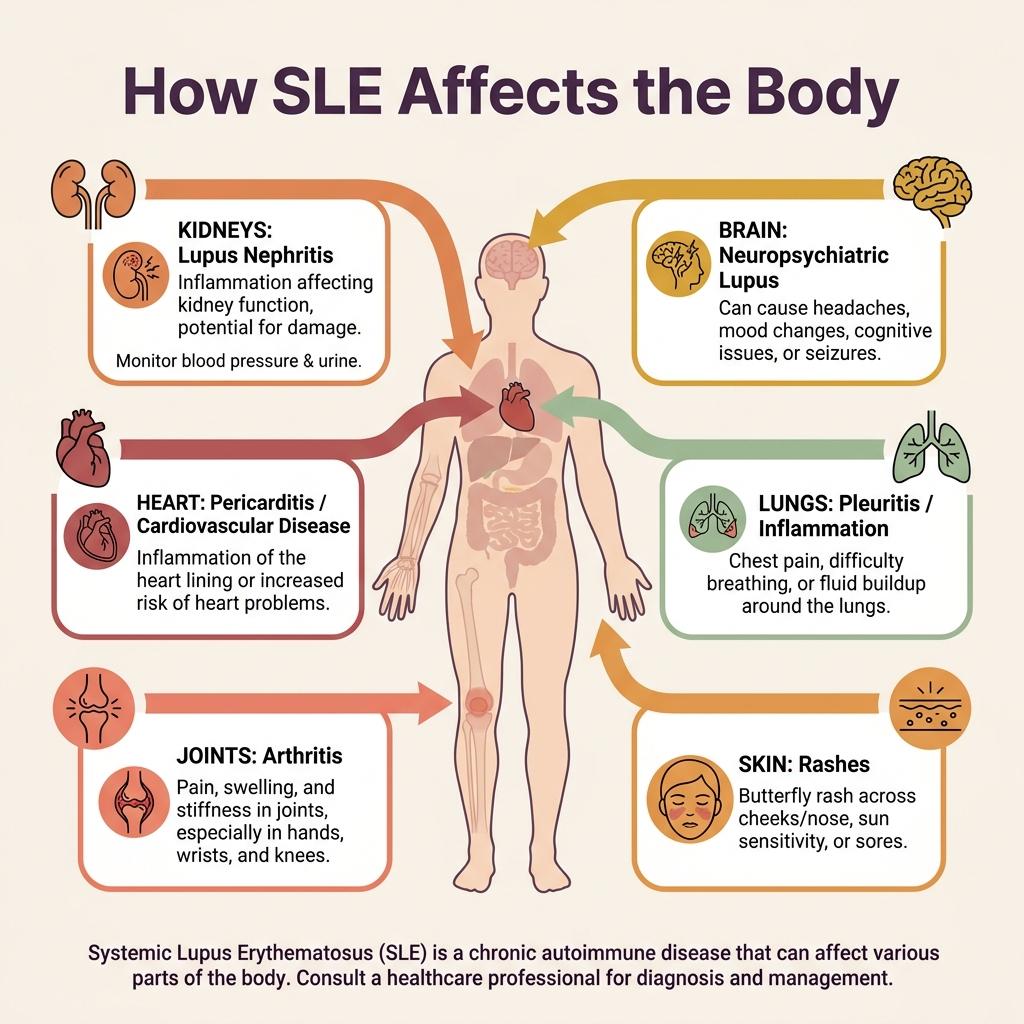
Systemic Lupus Erythematosus is an enigmatic disease because it can manifest in so many different ways. At its core, SLE is an autoimmune condition, meaning the immune system, designed to identify and eliminate foreign invaders like bacteria and viruses, becomes dysfunctional. Instead, it produces autoantibodies, proteins that target and attack the body’s own healthy cells and tissues. This leads to chronic inflammation, which can cause pain, swelling, and damage in various parts of the body, including the joints, skin, kidneys, heart, lungs, brain, and blood cells.
The exact cause of SLE is not fully understood, but it is believed to involve a combination of genetic predisposition and environmental triggers. While some individuals may have genes that increase their susceptibility to lupus, the disease typically develops when these genetic factors interact with external elements such as sunlight exposure, certain infections, hormonal changes, or specific medications. Women, particularly those of childbearing age, are disproportionately affected by SLE, with a much higher incidence rate compared to men.
The Autoimmune Nature of SLE
The hallmark of SLE is the production of a diverse array of autoantibodies. One of the most commonly tested is the Antinuclear Antibody (ANA), which targets components within the nucleus of cells. While a positive ANA test is highly sensitive for lupus, it is not specific, meaning many healthy individuals or those with other conditions can also test positive. Therefore, a diagnosis of SLE requires a combination of clinical symptoms and specific blood tests, including those for other autoantibodies like anti-dsDNA and anti-Sm antibodies, which are much more specific to lupus. The presence of these autoantibodies indicates that the immune system is actively engaged in attacking the body, leading to the widespread inflammation characteristic of the disease.
The Many Faces of Lupus: Diverse Symptoms and Diagnostic Pathways
One of the greatest challenges in diagnosing SLE is its incredible diversity in symptoms. Lupus is often called “the great imitator” because its signs and symptoms can mimic those of many other diseases. This can lead to delays in diagnosis, which may, in turn, delay crucial treatment. Common initial symptoms can be vague and non-specific, such as persistent fatigue, unexplained fever, joint pain and stiffness, and weight changes. Over time, more specific symptoms may emerge, influencing different organ systems.
For instance, skin manifestations are frequent, including the characteristic “butterfly rash” (malar rash) across the cheeks and bridge of the nose, or discoid lupus lesions, which are raised, red patches that can cause scarring. Sensitivity to sunlight (photosensitivity) is also common. Kidney involvement, known as lupus nephritis, is a serious complication that can lead to kidney failure if not promptly treated. Other organs that can be affected include the heart (pericarditis, myocarditis), lungs (pleurisy, lupus pneumonitis), blood (anemia, low white blood cell count, low platelet count), and the nervous system (headaches, seizures, cognitive dysfunction). Recognizing these varied symptoms and their potential links to SLE is critical for both patients and healthcare providers in Singapore.
Key Diagnostic Markers and Clinical Presentation
The diagnostic process for SLE typically involves a thorough medical history, a comprehensive physical examination, and a battery of laboratory tests. As mentioned, the Antinuclear Antibody (ANA) test is often the first step; however, rheumatologists in Singapore rely on a combination of clinical criteria and more specific antibody tests to confirm a diagnosis. These include tests for anti-dsDNA antibodies, which are highly specific for SLE and often correlate with disease activity, particularly kidney involvement. Anti-Sm antibodies are also highly specific, though less sensitive. Other tests, such as complete blood count, erythrocyte sedimentation rate (ESR), C-reactive protein (CRP), and urinalysis, help assess inflammation levels and potential organ damage.
Given the complexity, Singaporean patients are often referred to a rheumatologist, a specialist in autoimmune and musculoskeletal diseases, for definitive diagnosis and ongoing management. Early and accurate diagnosis is paramount to prevent irreversible organ damage and to initiate appropriate treatment, thus improving long-term outcomes and quality of life.
Navigating Life with SLE: Comprehensive Management and Support
Managing SLE is a lifelong journey that requires a personalized and multidisciplinary approach. The primary goals of treatment are to control inflammation, prevent disease flares, manage symptoms, minimize organ damage, and improve the patient’s overall quality of life. Treatment plans are highly individualised, taking into account the specific organs affected, disease severity, and individual patient responses to medications.
Pharmacological interventions form the cornerstone of SLE management. Non-steroidal anti-inflammatory drugs (NSAIDs) may be used for mild joint pain and inflammation. Antimalarial drugs, particularly hydroxychloroquine, are frequently prescribed for most lupus patients as they help reduce flares, protect organs, and improve fatigue. Corticosteroids, such as prednisone, are powerful anti-inflammatory agents used to control severe flares and organ-threatening disease but are typically tapered to the lowest effective dose due to potential side effects. Immunosuppressants, such as mycophenolate mofetil, azathioprine, or methotrexate, may be used for more severe organ involvement to dampen the overactive immune system. Biologic therapies, newer targeted treatments, are also available for specific cases that do not respond well to conventional treatments. Regular monitoring by a rheumatologist is essential to adjust medications as needed and to assess for any side effects.
Medical Therapies and Their Role
Each class of medication for SLE plays a distinct role. NSAIDs offer symptomatic relief for pain and inflammation. Hydroxychloroquine (Plaquenil) is a foundational drug that helps modulate the immune system and has long-term benefits in reducing disease activity and improving survival. Corticosteroids are potent anti-inflammatory agents for acute flare management, but their long-term use is associated with side effects like osteoporosis, weight gain, and increased infection risk. Immunosuppressants work by suppressing the immune system more broadly, making them effective for severe organ involvement, but also necessitating careful monitoring for infections. Biologics, such as belimumab, specifically target certain immune cells or proteins involved in lupus pathogenesis, offering a more precise approach when other treatments are insufficient. Close collaboration with the medical team ensures the most effective and safest treatment regimen.

Lifestyle Adjustments for Better Quality of Life in Singapore
Beyond medication, lifestyle modifications play a crucial role in managing SLE and improving well-being. Sun protection is paramount for many lupus patients, as UV exposure can trigger flares. In sunny Singapore, consistent use of high-SPF sunscreen, wearing protective clothing, and seeking shade, especially during peak hours, are vital. A balanced diet rich in fruits, vegetables, and whole grains, with an emphasis on anti-inflammatory foods, can support overall health. While no specific “lupus diet” exists, avoiding processed foods and excessive sugar can be beneficial. Regular, gentle exercise, such as walking, swimming, or tai chi, can help reduce fatigue, improve joint flexibility, and enhance mood, provided it is done within individual tolerance. Stress management techniques, including mindfulness, meditation, or engaging in hobbies, are also essential, as stress can be a significant trigger for lupus flares. Adequate sleep is equally important for energy levels and immune function. Prioritizing mental well-being and seeking psychological support when needed is a critical component of holistic lupus care.
The Singaporean Context: Accessing Care and Building Support
Singapore boasts a high-quality healthcare system, which is vital for managing a complex condition like SLE. Patients typically begin their journey at polyclinics for initial assessment and referral. From there, they are often directed to specialist outpatient clinics (SOCs) at public hospitals such as Singapore General Hospital (SGH), National University Hospital (NUH), or Tan Tock Seng Hospital (TTSH), where they can access highly experienced rheumatologists and a multidisciplinary team. These teams may include nephrologists for kidney involvement, dermatologists for skin issues, cardiologists, and occupational therapists, ensuring comprehensive care tailored to individual needs.
Financial assistance and subsidies are available through schemes like MediShield Life and MediSave, which can help alleviate the cost burden of long-term treatment. Understanding and navigating these schemes is crucial for patients and their families. Furthermore, patient support groups in Singapore provide invaluable emotional support, shared experiences, and practical advice, connecting individuals who truly understand the daily challenges of living with lupus. These communities foster a sense of belonging and empowerment, complementing medical treatment with peer support.
Leveraging Local Healthcare Resources
For Singaporean patients, proactive engagement with the healthcare system is key. Regular follow-ups with your rheumatologist are essential for monitoring disease activity, adjusting medications, and screening for potential complications. Do not hesitate to ask questions about your condition, treatment plan, and how to access available resources. Understanding your medication regimen, potential side effects, and the importance of adherence is paramount. Leveraging the expertise of various specialists within the public hospital system ensures that all aspects of SLE, from kidney health to mental well-being, are addressed. Furthermore, connecting with local patient organizations can provide practical tips for managing daily life in Singapore with SLE, from coping with the tropical climate to navigating local dietary considerations.
Towards a Brighter Future: Research and Outlook for SLE in Singapore
The landscape of SLE management is continually evolving, driven by ongoing research and advancements in medical science. Researchers globally and in Singapore are dedicated to uncovering the precise mechanisms of lupus, identifying new therapeutic targets, and developing more effective and safer treatments. There is a strong focus on personalized medicine, aiming to tailor treatments based on an individual’s genetic makeup and disease profile, promising a future with fewer side effects and better outcomes. Continued advocacy and awareness campaigns also play a crucial role in improving early diagnosis and reducing the stigma associated with chronic illnesses.
Conclusion
Systemic Lupus Erythematosus is indeed a complex autoimmune condition, but it is not one that individuals in Singapore must face alone. By understanding its multifaceted nature, recognizing its diverse symptoms, and engaging proactively with the comprehensive healthcare and support systems available, individuals living with SLE can achieve better disease control and significantly improve their quality of life. Early diagnosis, consistent adherence to a personalized treatment plan, and embracing supportive lifestyle choices are fundamental pillars of effective management. If you or someone you know experiences persistent or concerning symptoms that could be indicative of an autoimmune condition, it is vital to seek medical attention promptly. Consult your general practitioner for an initial assessment and, if necessary, a referral to a specialist. Knowledge and timely action are your strongest allies in navigating the complexities of SLE.

Jeremy Lee is a seasoned digital marketing director and strategist with over two decades of experience in the industry. As the founder of Sotavento Medios, I manage a diverse portfolio of over 50 businesses, helping brands grow through advanced search strategies and digital innovation. My work focuses on bridging the gap between traditional search engine optimisation and the evolving world of AI-driven answer engines.