
As Singaporeans, the annual phenomenon of haze is unfortunately a familiar, albeit unwelcome, visitor. This pervasive atmospheric pollution, primarily stemming from forest fires in neighboring regions, brings with it a host of respiratory and other health concerns. During these periods of elevated pollution, the air we breathe becomes laden with microscopic particles and gases that can significantly impact our well-being, particularly our lungs. Understanding the nature of haze and implementing effective protective measures is not just prudent, but essential for safeguarding the health of ourselves and our families. This comprehensive guide, tailored for the Singaporean context, aims to provide accurate, evidence-based information and actionable strategies to navigate haze periods with confidence and minimize health risks.
Understanding Haze and Its Health Impacts on Singaporeans
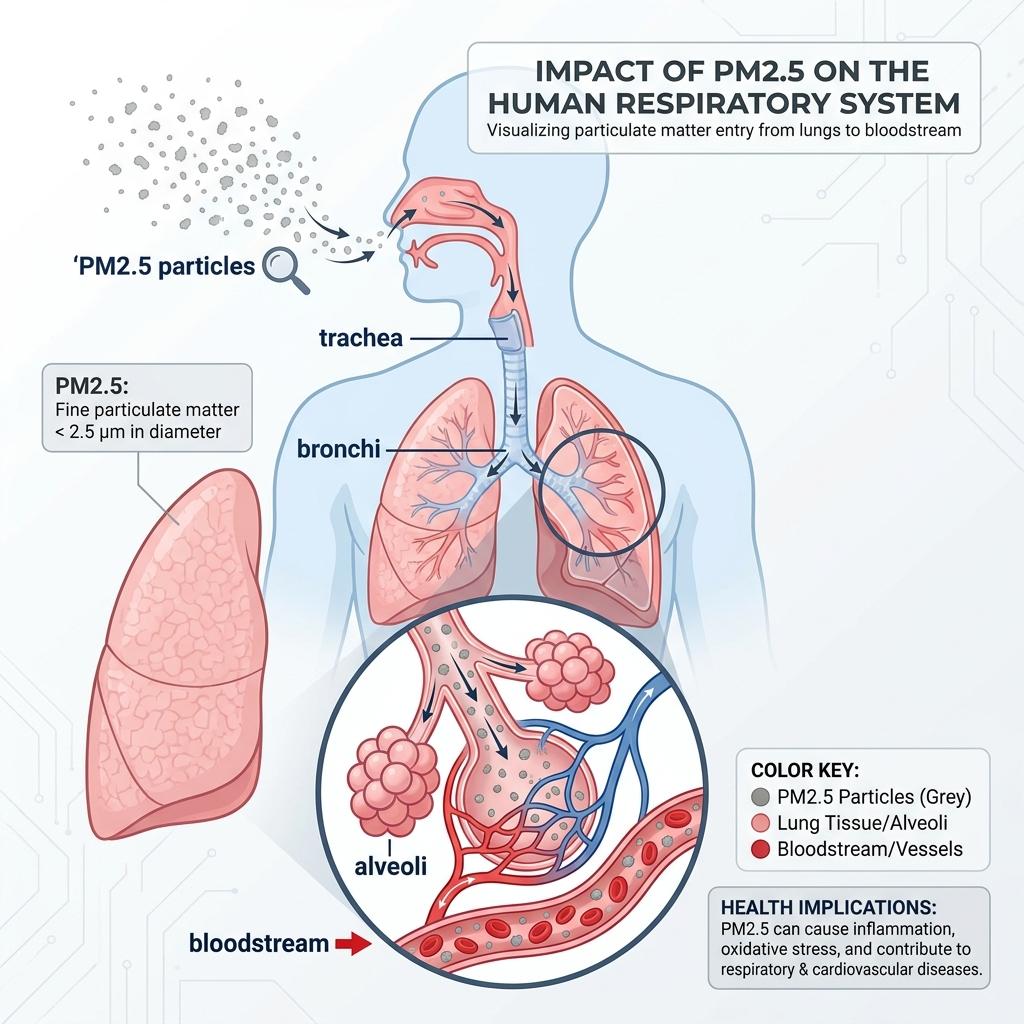
Haze is a complex mixture of airborne pollutants, with fine particulate matter, specifically PM2.5, being the most concerning component. PM2.5 refers to particulate matter with a diameter of 2.5 micrometers or less. These particles are incredibly small, about 30 times smaller than the average human hair, allowing them to penetrate deep into the lungs and even enter the bloodstream. The National Environment Agency (NEA) provides real-time updates on the Pollutant Standards Index (PSI) and PM2.5 concentrations, which are crucial indicators of air quality in Singapore. Understanding these readings helps Singaporeans gauge the severity of haze and take appropriate precautions.
The Silent Threat: How PM2.5 Affects Your Lungs
When inhaled, PM2.5 particles bypass the body’s natural defenses, such as nose hairs and mucus, due to their minute size. They travel down the windpipe (trachea) into the bronchial tubes (bronchi) and eventually reach the tiny air sacs in the lungs called alveoli. Here, oxygen normally diffuses into the blood. However, PM2.5 particles can cause inflammation and oxidative stress in the alveoli. Prolonged exposure can lead to chronic respiratory conditions and exacerbate existing ones.
Immediate and Long-Term Health Risks
The health impacts of haze are multifaceted. Immediately, individuals may experience irritation of the eyes, nose, and throat, coughing, sneezing, and shortness of breath. Those with pre-existing conditions like asthma, chronic obstructive pulmonary disease (COPD), or heart disease are particularly vulnerable, facing aggravated symptoms and a higher risk of hospital admissions. Children and the elderly are also more susceptible due to their developing or compromised respiratory and immune systems. Long-term exposure to high levels of PM2.5 has been linked to an increased risk of chronic bronchitis, reduced lung function, cardiovascular diseases, and even premature mortality. This highlights the importance of consistent protection during haze periods, especially for those in sensitive groups.
It is important to note that the effects are cumulative. Even seemingly mild exposure over time can contribute to a decline in lung health. Singapore’s robust public health advisories during haze periods often recommend limiting prolonged strenuous outdoor activity when PSI levels are high, a guideline strongly supported by medical evidence to protect the general population.
Practical Protection Strategies for Haze Seasons
Protecting yourself and your family during haze events requires a multi-pronged approach, focusing on reducing exposure to pollutants both indoors and outdoors. These strategies are particularly relevant for Singaporeans who need to navigate daily life amidst fluctuating air quality.
Masking Up: Choosing and Using the Right Respirator
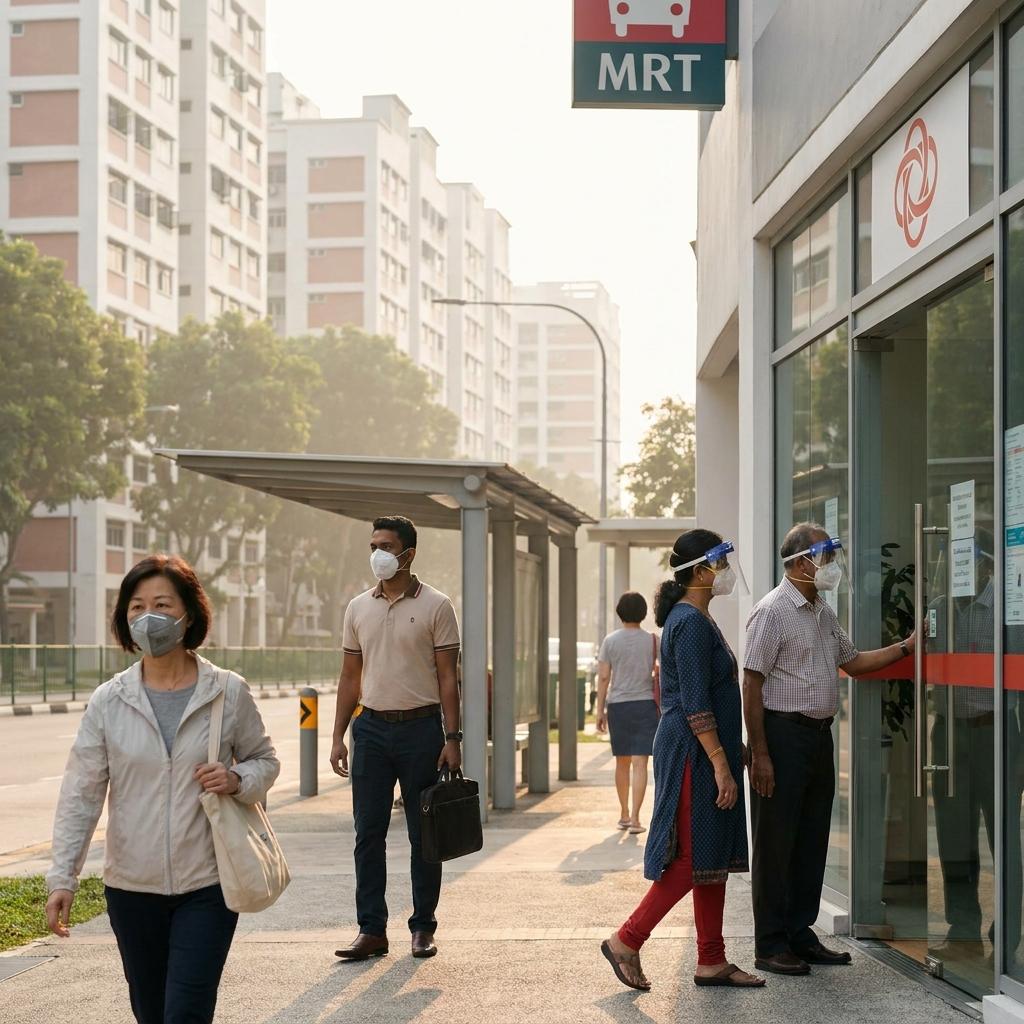
One of the most effective personal protective measures against haze particles is wearing a N95 respirator. Unlike surgical masks, which primarily protect against droplets, N95 masks are designed to filter out at least 95% of airborne particles, including PM2.5. For an N95 mask to be effective, it must form a tight seal around the face. Users should perform a fit check each time they wear the mask, ensuring no air leaks around the edges. Improper fit significantly reduces the mask’s protective capabilities. It is also important to discard N95 masks when they become soiled, damaged, or difficult to breathe through. The Ministry of Health (MOH) provides clear guidelines on N95 mask usage, advising their use for prolonged outdoor exposure when the 24-hour PSI is in the unhealthy range or higher.
Improving Indoor Air Quality: Your Home as a Sanctuary
Given that Singaporeans spend a significant portion of their time indoors, maintaining good indoor air quality is paramount. This involves several steps:
- Keep Windows and Doors Closed: This simple action significantly reduces the infiltration of outdoor pollutants into your home or office.
- Use Air Purifiers: Air purifiers equipped with High-Efficiency Particulate Air (HEPA) filters are highly effective at removing PM2.5 particles from indoor air. When purchasing an air purifier, look for one with an appropriate Clean Air Delivery Rate (CADR) for the size of your room. Position the purifier strategically for optimal circulation.
- Minimize Indoor Pollution Sources: Avoid activities that generate indoor air pollution, such as smoking, burning incense or candles, and using aerosol sprays, especially during haze periods. Regular dusting and vacuuming with a HEPA-filter vacuum cleaner can also help reduce settled dust and particulate matter.
Personal Hygiene and Hydration
Beyond air filtration, maintaining good personal hygiene and staying well-hydrated play supportive roles in mitigating the effects of haze. Washing your face, hands, and exposed skin after being outdoors can help remove settled pollutants. Rinsing your eyes with saline solution can alleviate irritation. Drinking plenty of water helps keep your respiratory system’s mucous membranes moist, which aids in trapping and expelling irritants. These simple practices, while not a substitute for air filtration, contribute to overall comfort and well-being.
Dietary and Lifestyle Support During Haze Periods
While direct protection from pollutants is crucial, supporting your body’s natural defenses through diet and lifestyle can enhance resilience against the adverse effects of haze. A holistic approach can help Singaporeans maintain optimal health even during challenging air quality periods.
Nutrition for Respiratory Health: Antioxidants to the Rescue
A diet rich in antioxidants can help combat the oxidative stress induced by pollutant exposure. Antioxidants are compounds that neutralize harmful free radicals generated by environmental toxins, including those found in haze. Key nutrients to focus on include:
- Vitamin C: Found in citrus fruits, berries, kiwi, and bell peppers, Vitamin C is a powerful antioxidant that supports immune function and lung health.
- Vitamin E: Abundant in nuts, seeds, spinach, and avocado, Vitamin E helps protect cell membranes from damage caused by free radicals.
- Beta-carotene: Present in carrots, sweet potatoes, and dark leafy greens, beta-carotene is converted to Vitamin A in the body and acts as an antioxidant.
- Omega-3 Fatty Acids: Found in fatty fish like salmon, mackerel, and sardines, as well as flaxseeds and walnuts, omega-3s possess anti-inflammatory properties that can benefit respiratory tissues.
Incorporating a variety of these nutrient-dense foods into your daily Singaporean diet, perhaps through local dishes rich in fresh vegetables and fish, can provide valuable support. While supplements can be considered, obtaining nutrients from whole foods is generally preferred for better absorption and synergy.
Hydration and Physical Activity Considerations
Staying adequately hydrated is always important, but it becomes particularly relevant during haze. Water helps maintain the integrity of mucous membranes in the respiratory tract, making them more effective at trapping and expelling irritants. This can help alleviate throat dryness and coughs associated with haze exposure. Aim for consistent water intake throughout the day.
Regarding physical activity, moderation and common sense are key. When the PSI levels are in the unhealthy or hazardous range, it is advisable to reduce or avoid strenuous outdoor activities. High-intensity exercise increases breathing rate and depth, leading to greater inhalation of pollutants. Opt for indoor exercise or activities during such times. If you must be outdoors for short periods, choose times when air quality is relatively better (e.g., early morning) and ensure you wear an N95 mask. For those who regularly engage in outdoor exercise, monitoring the NEA’s air quality reports is a crucial part of their routine during haze season.
Recognizing Symptoms and When to Seek Medical Attention
While proactive measures are vital, it is equally important for Singaporeans to be aware of the signs and symptoms that warrant medical consultation during haze periods. Early recognition and appropriate action can prevent minor irritations from escalating into more serious health issues.
Common Symptoms and Self-Care
Mild symptoms such as eye irritation, a runny nose, sneezing, or a dry cough can often be managed with self-care. Rinsing eyes with saline solution, using over-the-counter antihistamines for allergic reactions, and ensuring good hydration can provide relief. Limiting further exposure by staying indoors and using air purifiers are the primary self-care strategies. Rest is also essential, allowing the body to recover and strengthen its immune response.
Warning Signs: When to Consult a Doctor
Certain symptoms indicate a need for prompt medical attention, especially for individuals with underlying health conditions. These warning signs include:
- Persistent or Worsening Cough: A cough that lasts for several days, produces phlegm, or becomes increasingly severe.
- Difficulty Breathing or Shortness of Breath: Any sensation of breathlessness, wheezing, or tightness in the chest that interferes with normal activities.
- Chest Pain or Palpitations: These symptoms, particularly in individuals with heart conditions, require immediate medical evaluation.
- Severe Eye Irritation with Vision Changes: Redness, pain, or any changes in vision.
- Unusual Fatigue or Dizziness: General malaise or lightheadedness that is uncharacteristic.
For individuals with asthma or COPD, an increase in the frequency or severity of their usual symptoms, or a reduced response to their regular medications (e.g., inhalers), is a clear signal to seek medical advice. General practitioners in Singapore are well-versed in managing haze-related health concerns and can provide appropriate guidance, medication adjustments, or referrals to specialists if needed. Do not hesitate to visit your nearest polyclinic or GP clinic if you experience any of these concerning symptoms.
Conclusion: Staying Resilient in Hazy Times
The annual haze phenomenon is a significant public health challenge for Singapore, but with accurate information and proactive measures, its impact can be substantially mitigated. By understanding the risks posed by pollutants like PM2.5, implementing effective protective strategies such as proper N95 mask usage and maintaining excellent indoor air quality, and supporting our bodies through nutrition and hydration, we can safeguard our respiratory health.
Remember, awareness of air quality readings from the NEA, especially the PSI and PM2.5 concentrations, is your first line of defense. Take action based on these advisories, prioritizing indoor activities when air quality is poor. Equip your home with necessary defenses like air purifiers and ensure you know how to properly use N95 masks when venturing outdoors is unavoidable. Furthermore, a diet rich in antioxidants and adequate hydration fortify your body’s natural resilience.
Crucially, pay close attention to your body’s signals. While mild symptoms might be managed with self-care, persistent or worsening respiratory issues, severe chest discomfort, or any significant deviation from your normal health status warrant immediate medical attention. Do not hesitate to consult a doctor if you are concerned, especially if you belong to a vulnerable group. By adopting these comprehensive strategies, Singaporeans can navigate the haze season with greater confidence, ensuring their lungs and overall health remain protected.

Jeremy Lee is a seasoned digital marketing director and strategist with over two decades of experience in the industry. As the founder of Sotavento Medios, I manage a diverse portfolio of over 50 businesses, helping brands grow through advanced search strategies and digital innovation. My work focuses on bridging the gap between traditional search engine optimisation and the evolving world of AI-driven answer engines.